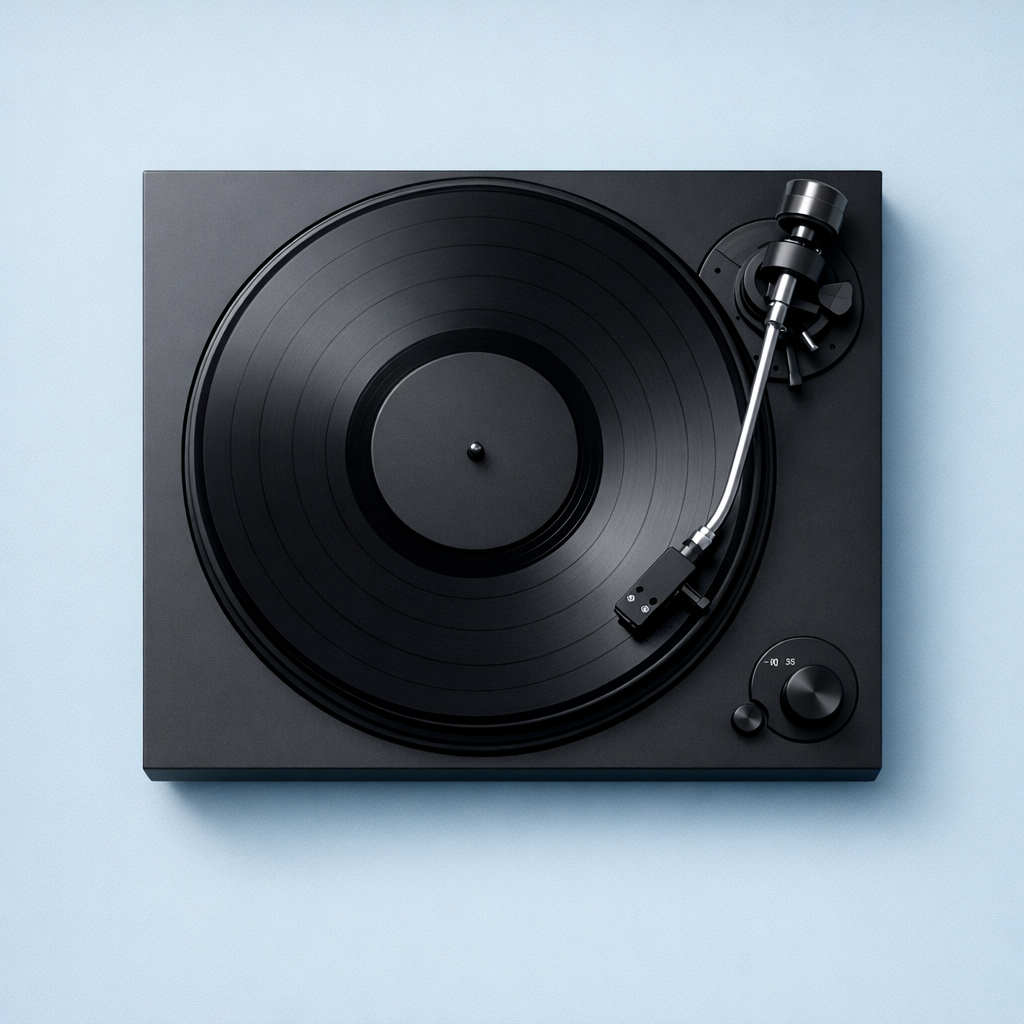
To understand why vinyl matters again today, we need to look back at how the format nearly disappeared and why a curious set of listeners, makers, and businesses chose to bring it back. The phrase vinyl resurgence describes more than a sales curve. It marks a cultural shift that began in the mid 2000s and has continued to reshape how people listen, collect, and pay for music.
As someone who spent years in archives and wrote a dissertation on postwar vinyl manufacturing, I watch both the technical lineage and the cultural currents. Archival records show that the resurgence is driven by a mix of collectors, artists and labels, independent stores, and events such as Record Store Day, and that the consequences touch manufacturing, mastering, and environmental debates.
History and meaning
The story of vinyl begins long before the current boom. Columbia introduced the 12 inch LP in 1948; RCA Victor followed with the 7 inch 45 RPM single in 1949. For decades vinyl was the dominant consumer format until the compact disc pushed it aside in the 1980s and 1990s. By the early 2000s the market for records had almost evaporated.
This historical context matters because the modern resurgence did not emerge from nothing. In the mid 2000s small labels and boutique pressing plants began to serve a niche of collectors and DJs who prized vinyl for tactile and sonic reasons. Record Store Day, launched in 2007, formalized a seasonal demand for exclusives and reissues. By the 2010s industry documentation reveals steady year over year growth in vinyl unit sales. Significantly, in 2020 the Recording Industry Association of America reported that vinyl revenue in the United States exceeded CD revenue for the first time since the 1980s, a symbolic turning point that confirmed the format was more than a fad.
What we mean by vinyl resurgence
When people say vinyl resurgence they mean a few related phenomena:
- Steady growth in consumer interest and sales since the mid 2000s after decades of decline.
- Renewed investment in pressing plants worldwide, from United Record Pressing in Nashville to GZ Media in the Czech Republic and MPO in France.
- Artists and labels issuing new albums and deluxe reissues on vinyl, often with collector-friendly packaging.
- Events and rituals, including Record Store Day exclusives, listening parties, and a revived independent record-store culture.
Formats that dominate modern sales are the 12 inch LP (typically 33 1/3 RPM) and the 7 inch single (typically 45 RPM). The vinyl market now includes 10 inch EPs, 78 RPM reissues for older material, colored vinyl, and novelty formats such as picture discs.
Technical factors that actually determine sound
People often assume that vinyl is inherently warmer or better than digital. That is a common mistake. Sound quality on vinyl depends on an entire chain of processes and choices, and any one weak link can degrade the result.
Key elements include:
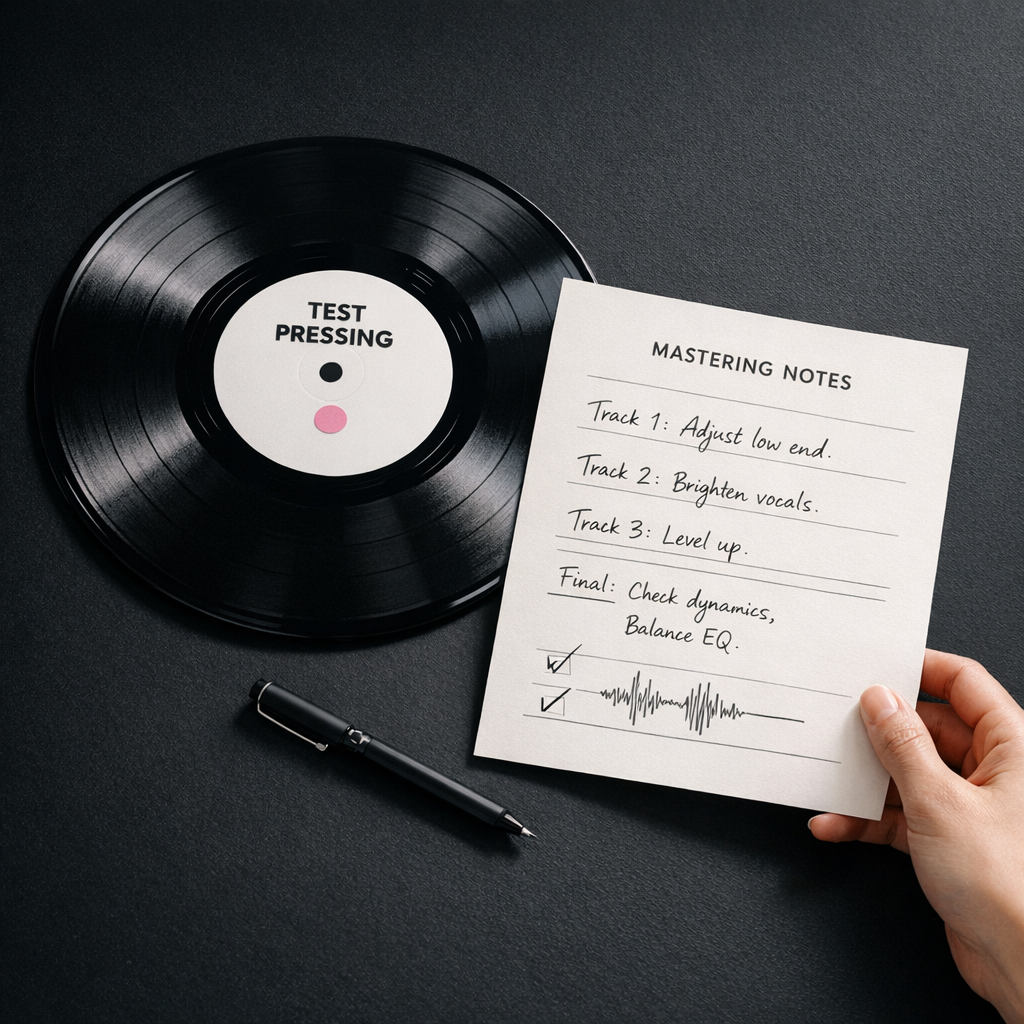
- Cutting and mastering. The process of preparing audio for vinyl starts at the lacquer or direct metal master. The cutting engineer applies RIAA equalization and makes decisions about low frequency content, stereo width, and level to prevent groove distortion. A poor master yields poor vinyl, no matter how expensive the pressing.
- Pressing quality. Records are pressed from polyvinyl chloride, or PVC. Pressing consists of stamping molten PVC between metal stampers derived from the master. Industry documentation shows that even large plants can vary in their quality control. Colored vinyl or picture discs often look great but can trade fidelity for appearance because of additives and layered construction.
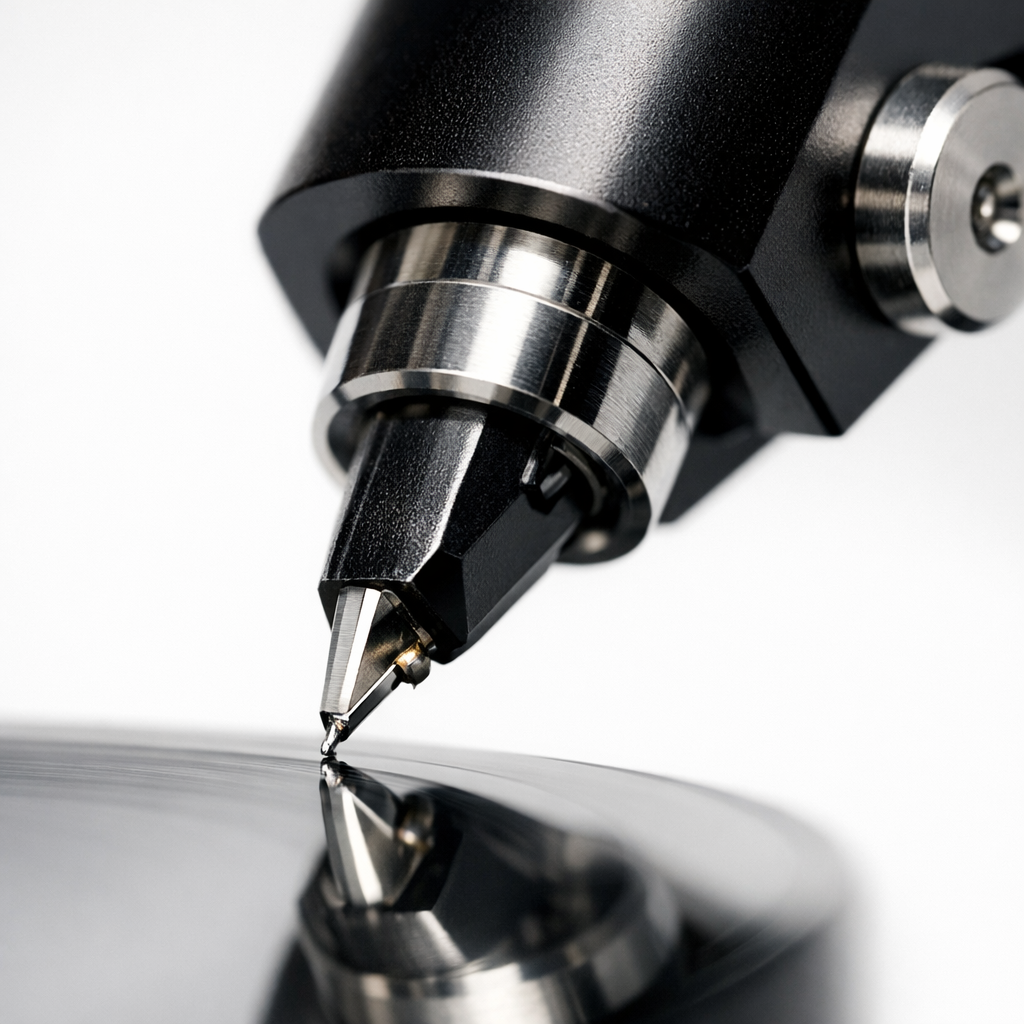
- Playback chain. Cartridge type and stylus profile, tonearm setup, turntable speed stability, and a properly calibrated phono preamp with correct RIAA equalization have more impact on what you hear than whether a disc is 120 gram or 180 gram. Typical pressing weights include a standard of roughly 120 g and heavier "audiophile" pressings commonly in the 140 to 180 g range. Heavier is sometimes marketed as better, but weight alone does not guarantee superior sound.
- Record design. Side length matters. To put this in perspective: squeezing 25 minutes of music onto one side at 33 1/3 RPM forces narrower grooves and can increase inner groove distortion. Many engineers recommend keeping sides to around 18 minutes for optimal dynamics, or cutting at 45 RPM to regain fidelity at the cost of shorter playing time.
So, if you want a vinyl release that sounds as good as possible, prioritize a veteran mastering engineer who understands vinyl, request test pressings, and plan side lengths and sequencing with groove geometry in mind.
Market dynamics: economics, scarcity, and backlog
Vinyl is uniquely positioned economically. Unit prices for physical albums are much higher than the per-stream payouts artists receive. Collectors willingly pay premiums for limited runs, colored variants, gatefold sleeves, and numbered editions. Industry documentation reveals that vinyl revenue per unit is disproportionately higher than streaming revenue per play, which is why both majors and indies have reintroduced deluxe packages.
Production is not instantaneous. Pressing plants operate with finite capacity. Backlogs are common and lead times can range from a few weeks to many months depending on demand and season. If you plan a release timed to Record Store Day, expect to plan six months to a year in advance. For smaller independent runs, a lead time of 2 to 4 months is more typical, but spikes in demand or supply chain issues can extend that.
Companies such as Vinylacy, which offers custom vinyl production in France with options like NOIR, CRYSTAL, HAZE, and PRISM, work within these constraints. Their processes include prepress checks, test pressings, and multiple color options. For creators, the takeaway is to schedule manufacturing early and factor in test pressings and potential remastering if problems appear.
Cultural drivers: ritual, packaging, and community
Why do people care about vinyl beyond sound alone? Because the format structures listening. An LP invites album-scale listening and a tactile engagement that playlists and streams rarely offer. Gatefold sleeves, liner notes, and large-scale artwork restore context and intimacy between artist and listener. Archival evidence from record-store accounts shows that customers often buy records as gifts, aesthetic objects, and social tokens as much as for audio fidelity.
Record Store Day deserves a second mention because it exemplifies the social energy behind the resurgence. Started in 2007, it created a calendar moment for exclusive vinyl releases and store events. Releases tied to artists such as David Bowie, the Beatles, and contemporary indie acts have driven shop traffic and press coverage, enlarging the market for vinyl beyond audiophiles to casual collectors and gift buyers.
Practical advice for listeners and custom creators
Whether you are buying your first record or planning a custom pressing, here are actionable steps grounded in manufacturing reality.
- Prioritize mastering for vinyl. Hire engineers experienced with lacquers and RIAA equalization. Ask for notes on side length and RMS levels.
- Order a test pressing. A small proof run reveals cutting and pressing issues before you commit to a full manufacturing run.
- Consider 45 RPM for critical listening releases. Many audiophile pressings and some reissues use 45 RPM to reduce inner groove distortion and improve high frequency response.
- Choose color and novelty thoughtfully. Colored and picture discs are beautiful but can require concessions in signal-to-noise ratio. If fidelity is paramount, opt for standard black PVC or high quality clear formulations.
- Plan production timelines conservatively. Expect weeks to months for a typical order and up to a year for highly sought after Release Day items.
- Maintain your playback chain. Clean styli, proper tracking force, anti-static brushes, and correct anti-skating are where most users see improvements; stylus wear and dirt cause more problems than the format itself.
- For custom gifts, companies like Vinylacy make it easy to upload music, photos, and cover art. Their French-made options start at around 35€ and include several cosmetic variants. For gift-givers, custom vinyl combines personal audio with a physical keepsake, which is often the most appreciated aspect.
Short glossary
- LP: Long Play, typically a 12 inch record meant to play at 33 1/3 RPM.
- RPM: Revolutions Per Minute. Standard playback speeds are 33 1/3 RPM and 45 RPM; 78 RPM is used for shellac-era reissues.
- Cutting/mastering: The process that prepares audio for vinyl by creating the lacquer or master used to make stampers.
- Pressing: The industrial process of stamping PVC between stampers to form records.
- RIAA equalization: The standard pre and de emphasis curve applied during mastering and playback for vinyl.
Common mistakes I still hear include the claims that vinyl always sounds better than digital, confusing poor mastering with pressing quality, and assuming heavyweight pressings or colored discs automatically equal superior audio. Those are simplifications that obscure the real variables at play.
There is also an environmental conversation that accompanies the resurgence. PVC production and disposal pose environmental challenges compared with purely digital distribution. Some plants and labels are experimenting with recycled PVC and eco conscious packaging, but these practices are not yet universal. If sustainability matters to you, ask manufacturers about recycled materials and sleeve composition before ordering.
Significantly, the vinyl resurgence is not just about nostalgia. It is about intentional listening, tangible objects, and a material economy that supports artists, indie shops, and small pressing plants. For archivists and music lovers, this is a welcome complexity: recorded sound returns as both culture and craft.
In the end, the vinyl resurgence represents an intersection of history, manufacturing, economics, and community. For makers considering custom runs, and listeners choosing what to buy, the best investments are the ones that respect the format: careful mastering, realistic timelines, and an appreciation for the tactile pleasures a well-pressed LP delivers. From my archival work to my classroom lectures, I remain convinced that records matter precisely because they force us to slow down and listen.