To understand why vinyl matters today, we need to look back at how a format born in the late 19th century evolved into a cultural object in the 21st century. The vinyl resurgence is not a single event but a sustained revival that began in the mid 2000s, driven by collectors, a younger cohort of buyers hungry for tactile music experiences, and artists and labels deciding that physical releases matter again.
As someone who has traced the material life of records from lacquer to player, I find the resurgence fascinating because it combines manufacturing, culture, commerce, and sound engineering. Archival records show that physical formats ebb and flow with technology and taste. The recent revival has practical implications for pressing plants, indie labels, and anyone thinking about commissioning custom vinyl. Below I unpack what the resurgence actually is, how vinyl is made and heard, the market dynamics behind collector mania, and practical advice for buyers and creators.
What the vinyl resurgence looks like
Since roughly the mid 2000s the industry saw a steady increase in demand for vinyl records and turntables. This was not driven by nostalgia alone. Younger listeners in their 20s and 30s embraced vinyl as part ritual, part aesthetic, and part sonic preference. Artists from Adele to Radiohead to niche electronic producers began issuing limited vinyl editions alongside streaming drops. Record Store Day, which launched in 2008, amplified the trend by generating exclusive pressings and headline-grabbing releases that sold out instantly.
Significantly, vinyl did not replace streaming. Instead the two formats often coexist. Many buyers stream on their phones while owning a curated collection for home listening. Industry documentation reveals that the resurgence is as much about objects and design as it is about sound.
How records are made and why that matters
Understanding the physical process clarifies why some pressings sound better than others and why delays happen. The basic chain is:
- master lacquer cut
- metal stamper derived from the lacquer
- PVC pressing using the stamper
- labeling, packaging, and shrink wrap
Records are made of polyvinyl chloride or PVC. A cut lacquer is the analog or digital-to-analog transfer where an engineer translates a mix into grooves. Metal stampers are electroformed from that lacquer and used to press the vinyl. These steps are where much of the sound character is established. Lacquer cutting choices, equalization during mastering, and even the condition of the stamper change the final result.
Color variants, picture discs, and splatter pressings are created by adding dyes or printed layers during the pressing process. They are excellent marketing options and make beautiful objects, but additives and construction choices can increase surface noise or affect flexibility. Picture discs, for example, often have a printed layer underneath a thin vinyl skin which can compromise acoustic fidelity compared with standard black vinyl where carbon black is added for strength and consistent electrical grounding.
Formats, sizes and playback basics
Core formats remain:
- 12 inch LP (Long Play) typically at 33 1/3 RPM
- 7 inch single, often at 45 RPM
- 10 inch EP, used less frequently but still in the catalogues
Playback speeds you need to know are 33 1/3, 45 and 78 revolutions per minute. Compatibility matters because playing a 45 at 33 1/3 will slow the music and vice versa. A typical 12 inch LP at 33 1/3 RPM commonly holds about 18 to 25 minutes per side. You can push those limits, but tighter spacing reduces groove width and can lower loudness and bass response, which is why mastering engineers make compromises.
The playback chain is straightforward but essential: turntable plus tonearm plus cartridge and stylus, running into a phono preamp which applies the RIAA EQ, then into your amplifier. Skipping the phono stage or using the wrong EQ will produce thin, quiet, or distorted sound. Cartridges come in moving magnet and moving coil designs, each with trade offs for tone, output level, and maintenance.
Sound trade-offs and common myths
Vinyl is often marketed as purer or warmer. There is truth to that: the format rewards careful analog mastering and playback. But several myths deserve debunking.
- Heavier vinyl equals better sound is not guaranteed. Typical consumer pressings range from 120 to 160 grams. The 180 gram variant is marketed as audiophile; heavier disks can offer mechanical stability but do not fix bad mastering, poor stamper condition, or sloppy pressing. Weight can help turntables track more consistently, but it is not a magic bullet.
- All vinyl is analog is also false. Many modern vinyl releases are cut from digital masters. A digital-to-analog transfer can be excellent, provided mastering engineers consider the medium. Archival excavations show some early 21st century reissues were upsampled or treated to emulate analog warmth.
- Colored and picture discs sound the same as black vinyl is also inaccurate. Dyes and alternate constructions change the polymer matrix and can increase surface noise or change resonance characteristics.
- Playing without a phono preamp is fine is wrong. The RIAA EQ is required to restore bass and tame treble; omitting it yields an unbalanced sound.
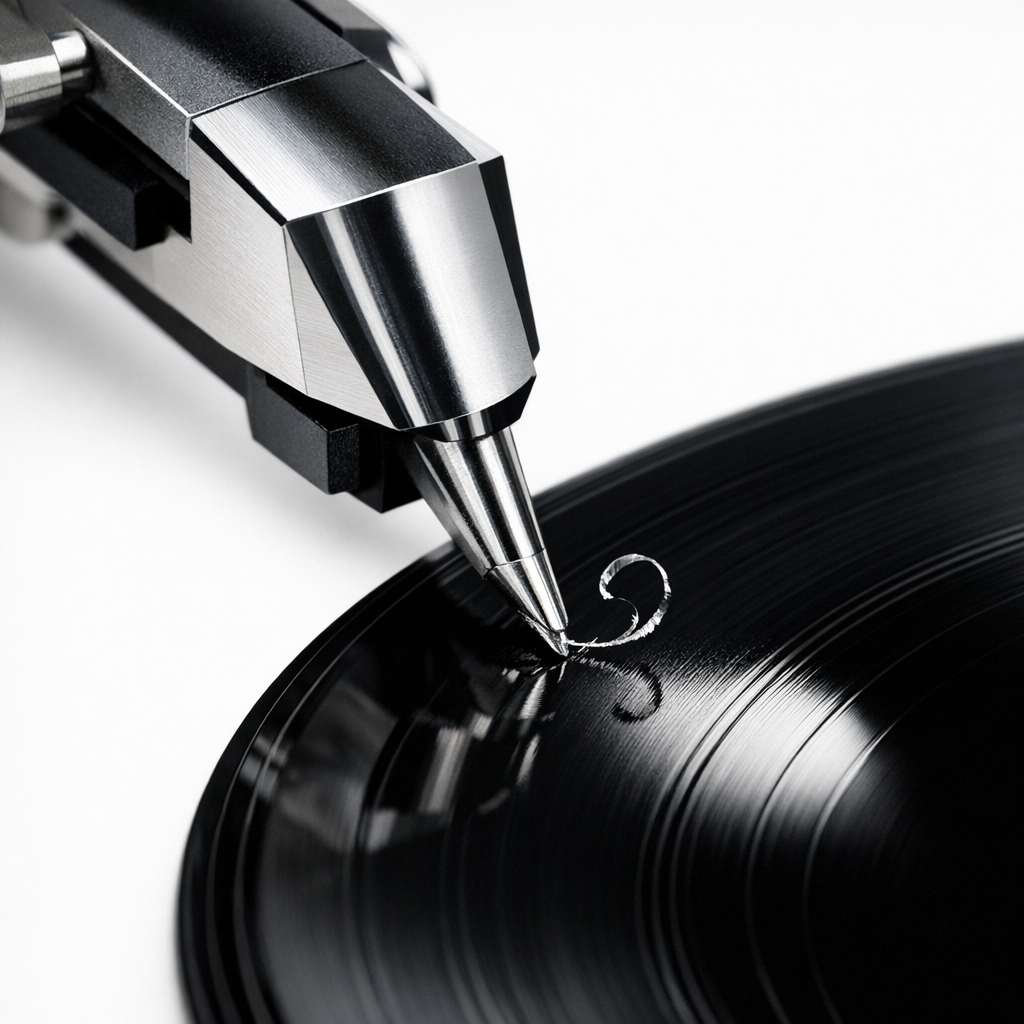
All recordings involve trade-offs: loudness, dynamic range, channel separation, and surface noise. Mastering for vinyl requires choices about equalization, compression, and groove spacing. My archival work has shown that a lot of the perceived warmth comes from mastering choices rather than the vinyl itself.
Market dynamics: limited runs, collectors and pressing capacity
Record Store Day and limited pressings have created a collector economy. Labels and artists use colored, numbered, or special packaging to generate scarcity. Secondary-market premiums follow. There are frequent stories of single-run pressings selling out in minutes and then appearing at multiples of their original price online.
Supply is a practical constraint. The number of pressing plants and their capacity has not grown to match the boom in demand. Pressing requires capital intensive machinery and skilled operators. Industry documentation reveals long lead times for many new releases. For artists or small labels, that means planning months in advance if you want a high-quality pressing. It is worth noting that commissioning a batch of custom records benefits from early conversations with the plant, especially for options like colored vinyl, special center labels, or gatefold sleeves.
Turntables, from budget to pro
Turntable options span budget belt-drive models with built-in preamps to direct-drive DJ units descended from the Technics SL-1200 lineage, and high-end audiophile rigs with precision tonearms and exotic cartridges. The SL-1200 family, introduced in 1972 and updated continuously, shaped DJ culture and remains the reference for direct-drive robustness and low wow and flutter.
For everyday listening, a well set up belt-drive turntable, proper cartridge alignment, and a clean stylus will outperform a poorly maintained high-end rig. If you want a turnkey solution for gifting or first-time buyers, models with integrated phono stages reduce complexity. For collectors, investing in a separate phono preamp and a quality cartridge yields the greatest sonic improvement for the money.
Practical advice for buyers, creators and gift-givers
If you are buying or commissioning vinyl, here are concrete steps I recommend based on my consulting work with archives and indie labels.
- Plan lead times. If you want a custom run of vinyl, start the process at least three to six months before your release date. For special colors or large quantities, allow more time.
- Ask about the source. Confirm whether the lacquer cut will be from an analog master or a digital file. If the source is digital, request the highest resolution available and discuss mastering specifically for vinyl.
- Choose your format for artistic reasons. A 12 inch LP is standard for albums and allows 18 to 25 minutes per side. If you need louder, wider grooves, consider a double LP or a 45 RPM pressing for audiophile editions.
- Don’t assume 180 grams is everything. Prioritize quality control, a good lacquer cut, and an experienced pressing plant over weight alone.
- If you gift a turntable, include an explanation about the need for a phono preamp and cartridge care. A stylus brush and a recommended record-cleaning fluid make thoughtful additions.
- For custom vinyl like what Vinylacy offers, consider art and personalization. Custom sleeves and photos enhance the ritual value. If you want better sound, choose black vinyl or variants specified as high-quality formulations and confirm QC checks.
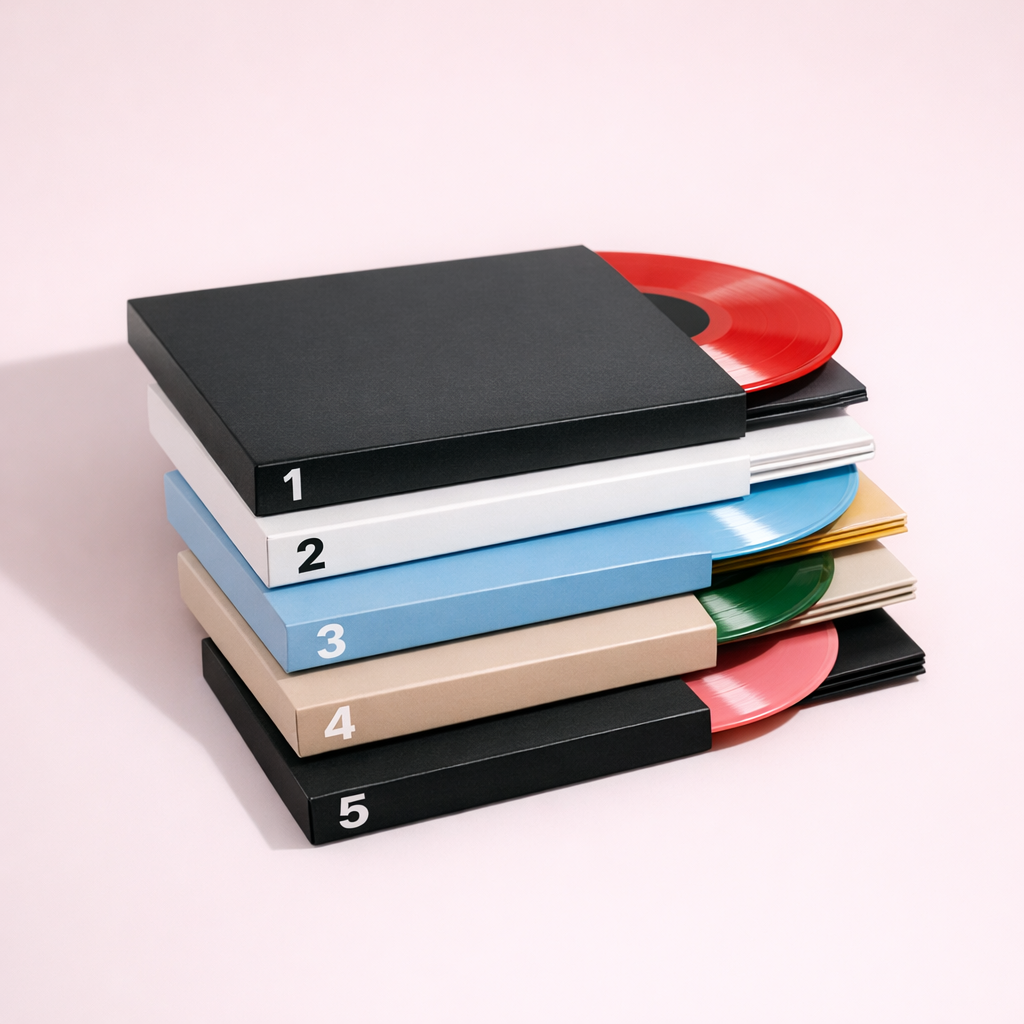
Case study: Third Man Records and the craft of vinyl
Jack White’s Third Man Records, started in 2001 and expanded in the 2000s, is a useful example. Third Man invested in pressing facilities, unique color runs, and a marketing narrative that elevated vinyl as an artisanal product. Industry observers note that the label’s approach paralleled and accelerated the broader vinyl revival by demonstrating that records could be both collectible and a central part of an artist’s release strategy.
That example shows how artists and labels can use limited editions and onsite pressing to create value. It also shows the tension between craft and scale. A boutique pressing produces remarkable objects, but large-scale demand still depends on larger plants and reliable QC.
Short glossary
- LP: Long Play record, typically a 12 inch at 33 1/3 RPM for albums.
- EP: Extended Play, shorter than an LP, often 7 inch or 10 inch format.
- RPM: Revolutions per minute; playback speed standard (33 1/3, 45, 78).
- Cartridge/stylus: The pickup that reads grooves; cartridges are moving magnet or moving coil types; the stylus is the needle itself.
- RIAA EQ: The standardized equalization curve applied in mastering and playback to manage bass and treble on vinyl.
Why the resurgence matters for creators and listeners
The vinyl revival is more than fashion. It reconnects listeners with physicality, invites careful listening, and provides artists with another revenue and branding channel. For archivists and libraries I work with, vinyl’s resurgence also means renewed attention to preservation. Vinyl can last decades if stored and handled correctly; it can also be brittle and noisy if pressed poorly or stored incorrectly. My consulting emphasizes documentation: mastering notes, stamper logs, and pressing plant QC sheets are invaluable for long term collections.
For anyone considering custom vinyl production, companies like Vinylacy make this accessible. They combine modern manufacturing with design options, letting artists and gift givers create a physical artifact at approachable price points. If you want a thoughtful, tactile object that complements streaming distribution, a carefully produced vinyl run remains one of the most effective ways to make that statement.
Ultimately, the vinyl resurgence is a story about choice. It is about choosing to slow down, to hold an object, to read liner notes, and to invest in a playback chain that rewards attention. As a historian of recorded sound, I find that connection between past techniques and present desires reveals something enduring: records are not just carriers of sound, they are carriers of memory and care.