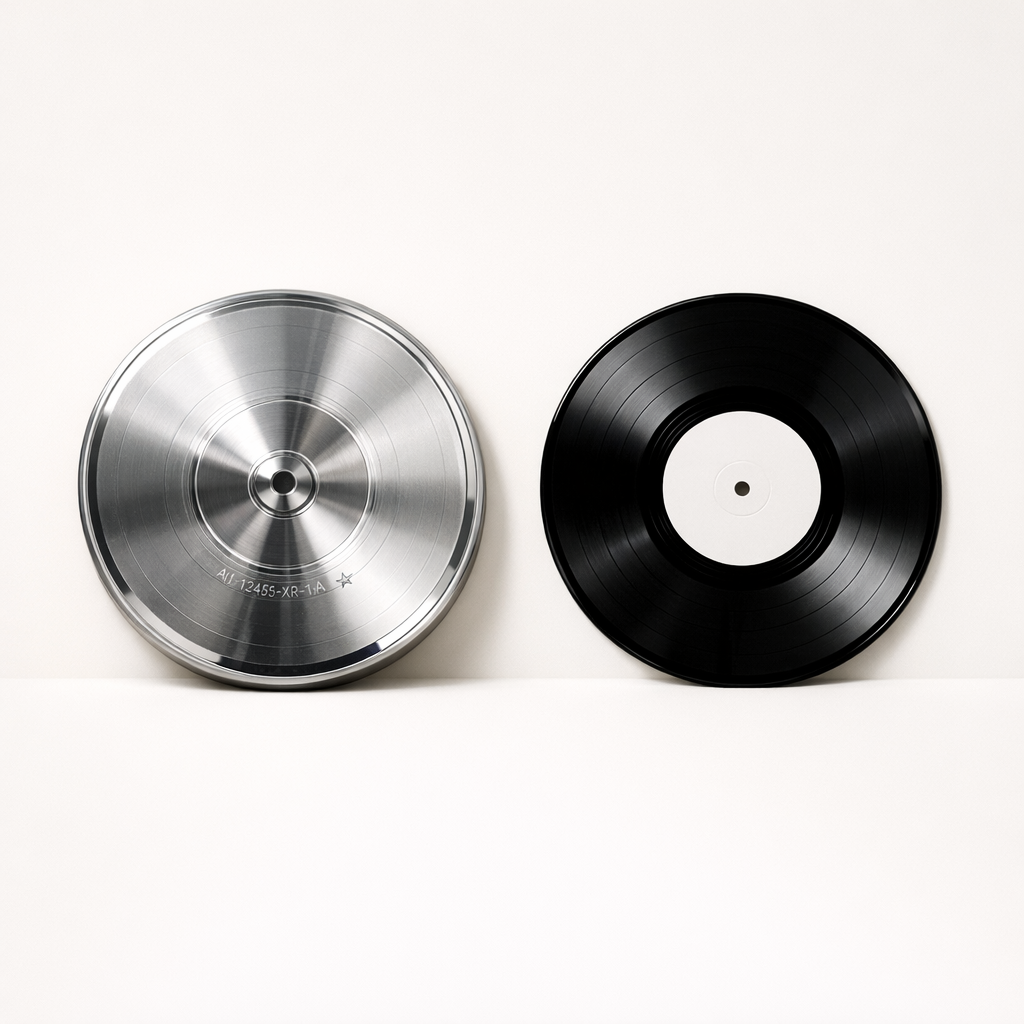
To understand why certain vinyl pressings fetch attention and high prices today, we need to look back at how records are made and why tiny differences in production can create distinct physical objects. A "pressing" is not merely a copy of an album; it is a manufacturing run produced from a specific set of stampers. Those stampers, their provenance, and the circumstances of their use determine whether a run is common or rare.
As someone who studied vinyl manufacturing evolution after World War II for my PhD at Yale and now consults with archives and collectors, I find that rarity is rarely accidental. It emerges from business decisions, technical constraints, and sometimes from mistakes and recalls that turned ordinary runs into scarce artifacts. Below I explain what makes a pressing rare, how to identify one, where value usually comes from, and how custom vinyl creators and gift-givers can use this knowledge responsibly.
What defines a pressing and why small differences matter
A pressing is a batch of records stamped from the same set of metal masters called stampers. The stamper is made by electroforming a lacquer master; a run can last for a few thousand copies before the stamper wears out and a new one is produced. Because each stamper carries microscopic differences, pressings made from different stampers will show telltale signs in the dead‑wax, and sometimes produce audible differences as well.
Different formats also matter. The most common modern LP is the 12 inch at 33 1/3 rpm. Singles are usually 7 inches at 45 rpm. Ten inch records were common in the 1940s and 1950s for EPs. Before the 1950s, commercial releases were typically 78 rpm shellac discs. These material and format differences affect rarity: a withdrawn 78 from the 1930s will have a different preservation and collector profile than a modern 12 inch limited edition.
Main sources of rarity
Rareness comes from several sources, sometimes combining to make a pressing especially desirable.
- Very low pressing quantities. Small-label special editions and early DIY runs are often between 100 and 1,000 copies. By contrast, mass commercial pressings run into the 10,000s or 100,000s.
- Withdrawn or recalled runs. A famous example is the 1966 US Capitol release of The Beatles Yesterday and Today with the "butcher" cover. Many copies were pulled and replaced, making the original display copies extremely scarce.
- Test pressings and acetates. Test pressings are normally 2 to 10 copies made to approve audio and pressing quality. Acetates, cut from lacquer on aluminum or glass, are typically one‑offs or tiny batches used for demos. These are often the rarest and most individually valuable items in a title's ecosystem.
- Label or cover variants. Different country pressings, alternate covers, or corrected sleeves can create impactful rarity. Archival records show that European and US subsidiaries often used separate stampers and label templates, producing multiple legitimate first pressings of the same title.
- Different masters and cutting choices. Mono versus stereo masters, or separate EQ curves and tape edits, can make one pressing sonically distinct. Collectors of Beatles mono LPs, for instance, pay premiums for original UK mono matrices because the mixes were supervised by the band and are materially different from the stereo mixes.
- Plant mispressings or errors. Sometimes a wrong stamp, label, or vinyl color makes a run unusual. Most misprints are common enough to be a curiosity rather than a treasure, but a few mistakes combined with low numbers can be valuable.
How to identify a rare pressing in the wild
Learning to read the physical evidence is where the work becomes detective work. The dead‑wax or runout area near the label carries etchings and stamps that tell most of the story.
- Matrix/runout etchings. These are the hand‑inscribed or stamped characters, often including catalog number, stamper suffixes (A, B, 1, 2), and cutting engineer initials. A different suffix between two copies of the "same" release indicates different stampers or cutting sessions.
- Stamper numbers and plant stamps. Some pressing plants stamped a small logo or code into the dead‑wax. In archival collections I have cataloged, those plant marks often led to factory records that confirmed pressing dates and quantities.
- Label details. Compare center label text, fonts, publishing credits, and runout label copy. Counterfeit or repressings sometimes reuse a catalog number but with label variants that reveal a later issue.
- Physical feel and material. Pre‑1950s 78s are shellac, brittle and heavier. Acetates have a telltale lacquer sheen and are fragile. Modern records are made from PVC and have a consistent gloss and weight. Handle acetates and test pressings conservatively; many are unique and deteriorate with play.
Step‑by‑step verification
If you suspect a rare pressing, follow these practical steps.
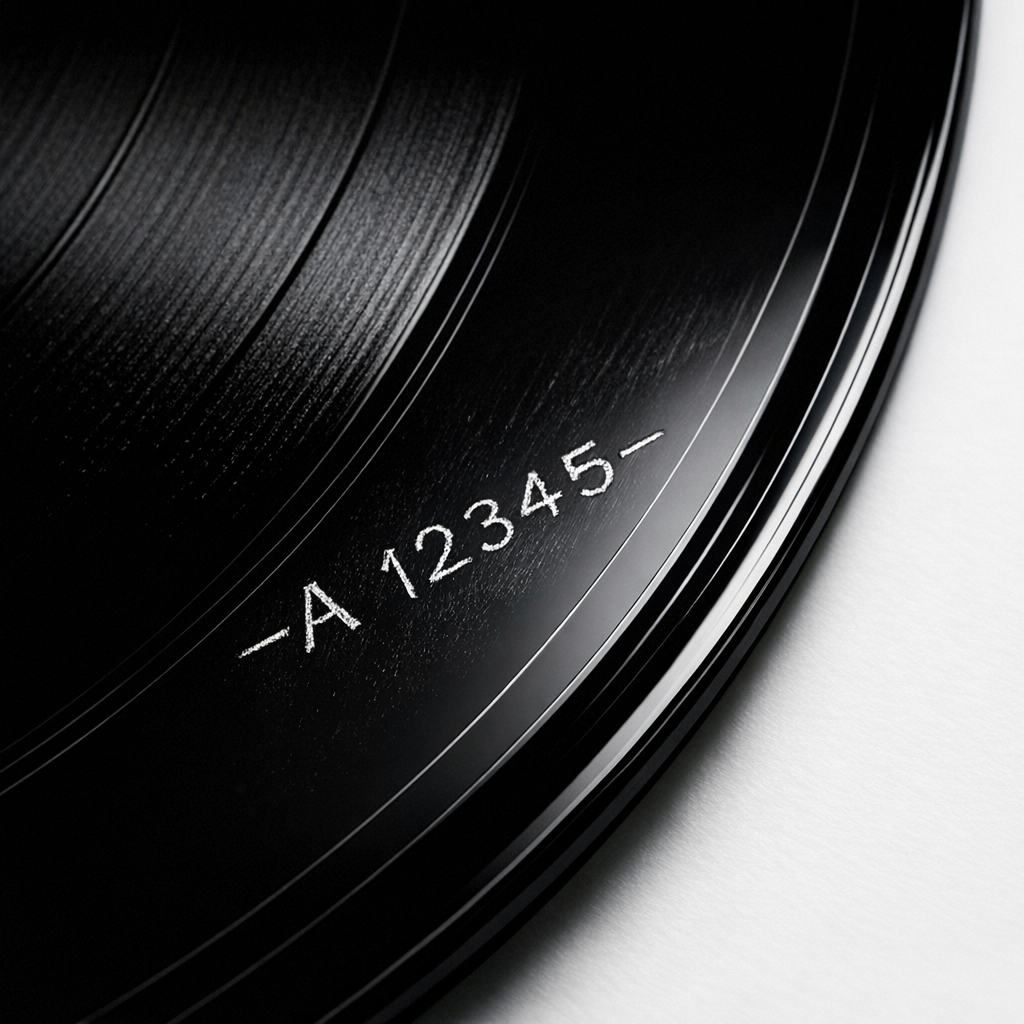
- Photograph dead‑wax etchings and both labels under good light. Save high resolution images for comparison.
- Check Discogs and Popsike for known variants and auction records. Use runout search fields and compare stamps and etchings.
- Consult pressing plant histories and label discographies. Industry documentation often lists pressing plants and matrix number blocks used in given years.
- Verify condition. A rare stamper error in poor condition may still be interesting, but price depends heavily on wear. Grading matters.
- If necessary, seek an expert opinion. Small dealers, trusted archivists, or library special collections can often corroborate rarity, especially for acetates and test pressings.
Why some "limited editions" are overrated
Collectors often assume colored vinyl, picture discs, and numbered runs are intrinsically valuable. In my work I have seen many colorful promos that command little interest because they were mass produced to capitalize on novelty.
Color variants can be both genuine limited editions and high‑volume marketing items. The key is scarcity plus demand. A 300‑copy hand‑numbered color run from a cult band from 1982 will behave differently on the market than a modern 5,000 copy color reissue pressed for a retail campaign. Similarly, picture discs are often heavier on image than on sound quality; they attract display interest but not necessarily premium pricing among audiophile collectors.
It is also a common mistake to equate first release date with first pressing. Labels sometimes issued simultaneous pressings in different countries. The true first pressing is confirmed by matrix/runout and pressing plant evidence, not just the date on a sleeve.
Preservation, handling, and why provenance matters
Rarity and value are inseparable from provenance. Documented ownership, original inner sleeves, inserts, and correct cover variants multiply a record's collectability. I have handled donated collections where an original promo flyer tucked inside a sleeve transformed an otherwise ordinary pressing into a historically significant artifact.
Preservation advice matters because many rare pressings are fragile. Shellac 78s crumble if flexed. Acetates oxidize and lose high frequencies with repeated playback. Test pressings have often been handled without sleeves and may show unique damage.
- Store records vertically in acid‑free sleeves at stable temperature and moderate humidity. Avoid attics, basements, and direct sunlight.
- Do not play unique acetates or badly scored test pressings unless you have a suitable cutter stylus and experience. Many archivists digitize fragile discs using specialized turntables and optical methods.
- Preserve provenance. Keep any paperwork, label invoices, or original inner sleeves. Photograph inserts and note who supplied the item and when.
Case studies and what they teach us
Two brief case studies illustrate how rarity forms.
1) The Beatles Yesterday and Today, Capitol Records, 1966. Industry documentation reveals that the notorious "butcher" cover was distributed in the US and then recalled after public outcry. Capitol recalled thousands of copies and replaced the cover with a plain image, but some original sleeves survived in collectors hands and in dealer inventories. Here rarity is produced by recall plus surviving copies that escaped the replacement process.
2) Test pressings for small independent releases. A regional punk label pressing 300 copies in 1979 may have produced 5 test pressings for approval. One of those test pressings might have a slightly different mix or a different take. When the band becomes cult iconic decades later, that single test pressing can be outsized in value relative to the 300 mass copies because it is unique and carries the artist's earliest approved sound.
How custom vinyl creators and buyers should think about rarity
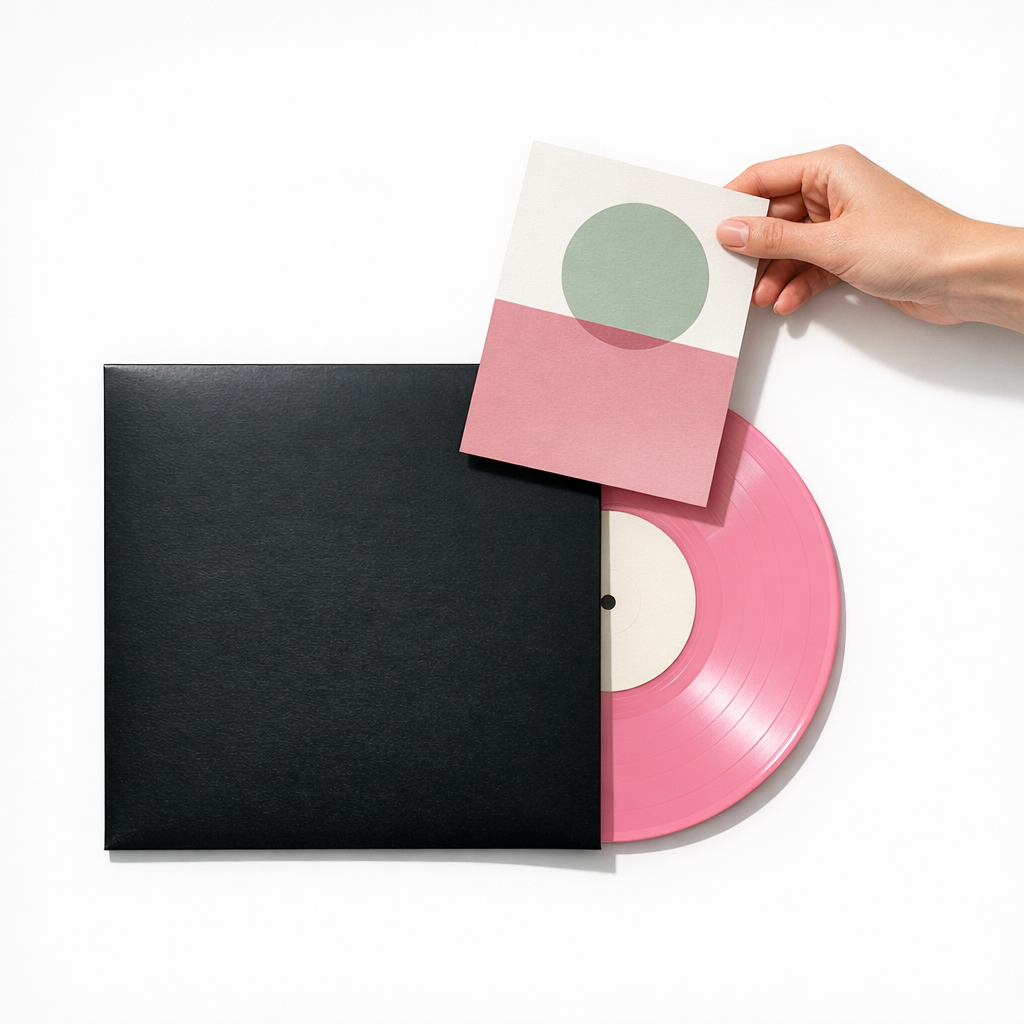
For artists, gift‑givers, and small labels who use custom pressing services, understanding rarity is useful for creating meaningful limited editions rather than meaningless gimmicks. A thoughtful numbered edition of 250 copies with unique mastering choices, sleeve inserts, and documented provenance will attract more interest than an unnumbered mass colored pressing.
Vinylacy, for example, offers several material and color options such as NOIR®, CRYSTAL®, HAZE®, and PRISM®, and can produce small custom runs starting from affordable price points. If your goal is to create a collectible object, combine low quantity pressings, unique artwork, and documented mastering notes. If your goal is a personal keepsake or an affordable gift, colored vinyl and attractive sleeves do that job without entangling you in collector expectations.
Practical checklist for custom pressings
- Decide whether you want collectability or affordability. Small runs under 1,000 are more likely to be considered limited editions.
- Document the mastering. Note whether the pressing uses a dedicated master, a mono or stereo cut, or the same audio supplied for streaming.
- Include provenance elements. Hand‑numbered sleeves, signed inserts, or a certificate of authenticity add value.
- Avoid claiming rarity from color alone. Be transparent about quantities and the nature of the edition.
Creating meaningful custom pressings is a creative decision as much as a manufacturing one. Use the tools of pressing history to make products that collectors and listeners will cherish.
Rarity is not a single quality you can stamp on a record; it emerges from production decisions, mistakes, and the social history of how records are distributed and preserved. Knowing how to read matrix numbers, how to assess provenance, and when a color or misprint truly matters will make you a better buyer, seller, or creator of vinyl. If you are putting together a custom run, think like a historian: document your choices, limit the run intentionally, and use high quality mastering and packaging. That is how a pressing earns its place in the story of recorded sound.