To understand why tracking down rare vintage vinyl matters today, we need to look back at how records were made, sold, and collected. The 12 inch 33 1/3 RPM microgroove LP, introduced by Columbia in 1948, changed what collectors valued: albums became durable objects of art, while earlier 78 RPM discs — typically shellac and brittle — inherited a different scarcity and condition story. The formats themselves hold clues to rarity and price.
My work in archives and record-pressing documentation has taught me that rarity is rarely accidental. It emerges from manufacturing limits, regional market quirks, withdrawn covers, and promotional practices. Below I gather practical strategies, identification techniques, and preservation advice so you can find rare records with confidence rather than hope.
Understanding formats and why they matter
Not all records are created equal. Knowing the basic formats gives you a fast filter when assessing rarity or value.
- 33 1/3 RPM (12 inch LP) — the long-playing format popularized after 1948 for albums. First pressings from the late 1940s through the 1960s are often the most sought after.
- 45 RPM (7 inch single) — the jukebox and singles standard; regional pressings or promotional copies can be valuable.
- 78 RPM (10 and 12 inch) — pre‑1950s, usually made of shellac, brittle and heavier; survivors in good condition are scarce and therefore collectible.
- Material and weight — post‑1950s discs used PVC vinyl, flexible and less fragile than shellac. Modern audiophile reissues are often 180–200 g; this weight signals marketing toward superior pressings but does not guarantee a historical first pressing.
This historical context matters because a 1949 Columbia first-run LP and a modern 180 g reissue may look similar at a glance but occupy very different places in the market.
Where to find rare records: places and tactics
There is no single magic source. Successful seekers combine patience, regular rounds, and networks.
- Estate, garage, and attic sales — archival records show that great finds often come from entire household clearances where collections were left untouched. Arrive early and build rapport with the estate manager.
- Flea markets and thrift stores — high-volume, low-expectation digging. I have found first-pressings in charity shops that other buyers missed because they ignored the deadwax markings.
- Specialized record fairs and swap meets — ideal for comparing prices and verifying condition in person. Vendors often bring rarities that will never appear online.
- Independent record stores — form relationships with owners. Research indicates store-owner tips are among the most reliable leads for unlisted collections.
- Online marketplaces — Discogs and eBay are indispensable. Use saved searches, seller ratings, and wishlists. Auction houses handle very high-end items and often provide provenance documentation.
- Collectors’ Facebook groups and local DJ/radio networks — networking remains crucial. Many pressing-plant employees, DJs, and diggers circulate rarities through private channels before anything goes public.
How to inspect and identify a potential rarity
Most mistakes come from buying by cover art or color alone. Condition and pressing details determine real value. Here is a practical inspection checklist to use in person or when asking for photos.
- Look at the label and catalog number — note the label design, catalog number, and any matrix/runout inscriptions.
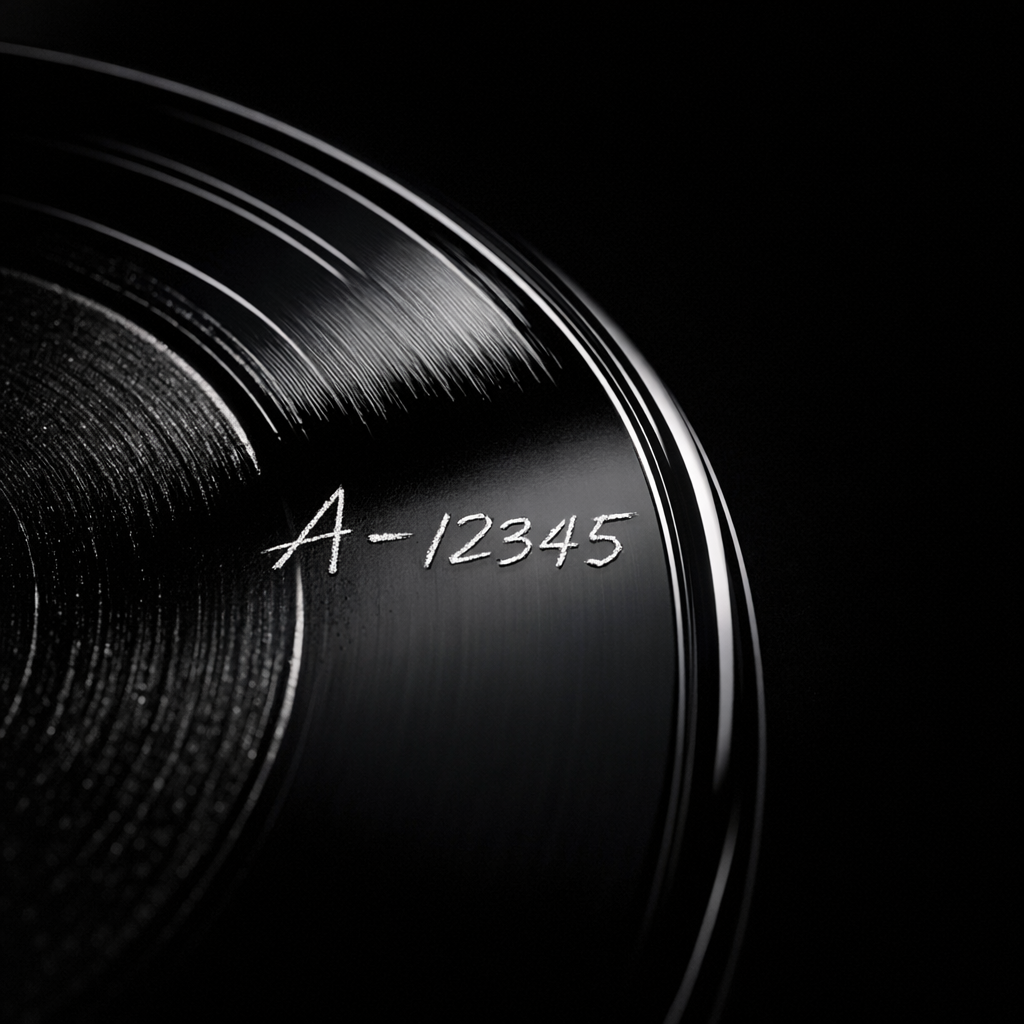
- Check the deadwax — the smooth area near the label where matrix or runout etchings live. These numbers and letters identify the stamper and pressing run.
- Inspect the sleeve for seam splits, spine wear, and withdrawn-cover evidence. A withdrawn cover like the Beatles "Yesterday and Today" butcher-cover variant can multiply value dramatically.
- Test for warps, surface noise, and seam integrity if you can play the record. Quiet surface noise in a press is different from loud crackle resulting from damage.
- Look for stamps or marks such as PROMO, NOT FOR SALE, or record company test stamps — these often command premiums.
- Ask for provenance — receipts, original store stickers, or letters from the seller. Provenance raises buyer confidence and can increase price.
When in doubt, photograph the label and deadwax at high resolution. These images let you compare to authoritative references.
Authenticate, verify, and avoid common pitfalls
Collectors make three recurring mistakes: trusting sellers uncritically, buying by color or cover alone, and ignoring condition. Here is how to avoid those traps.
- Verify matrix/runout numbers against trusted databases such as Discogs and Popsike. Industry documentation reveals that matrix codes often expose repressings or foreign pressings even when covers look original.
- Compare label variations and paper stock. First pressings often used different label typefaces or heavier sleeves than later reissues.
- Watch for bootlegs and modern represses marketed as originals. If the seller cannot provide clear deadwax photos or provenance, be skeptical.
- For very high value items, get a professional appraisal or independent grading. Auction houses and specialist graders can confirm authenticity for rare acetates, test pressings, or unique promo items.
- If buying online, study completed sales on Discogs and eBay to understand realistic price ranges. Popsike serves well for historical auction results.
One case many collectors know: Elvis Presley’s Sun 209 78 RPM from 1954. Genuine Sun 78s and early Sun pressings have characteristic matrix etchings and label types. Counterfeit or misidentified Sun pressings are a persistent problem; verifying the deadwax is essential.
Negotiation, pricing cues, and condition grading
Value is a combination of rarity, condition, demand, and documented provenance. Condition commonly makes or breaks a sale.
- Condition priorities: surface noise, visible scratches, warps, seam splits, and whether inserts or lyric sheets are present. Condition grading is not standardized across sellers, so ask for close-up photos and a short test play or audio sample when possible.
- Pricing cues: promo stamps, unique covers, regional or withdrawn issues, and first pressings command premiums. For example, a known withdrawn cover can increase value several times over compared to a standard variant.
- Negotiate by pointing to comparable sales. If a seller is vague, offer a lower price reflecting potential restoration or conservation costs.
- Avoid emotional overbids. It is easy to pay too much for color vinyl or striking artwork. Always confirm pressing information first.
I once advised a client to pass on a visually stunning color pressing touted as a first pressing. The deadwax revealed a modern stamper code and a 200 g weight indicating a reissue. The buyer saved several hundred euros by walking away.
Preservation and storage once you own the record
Finding a rare record is only half the job. How you store and present it preserves value for decades.
- Use anti-static inner sleeves and quality outer sleeves. Paper inners can abrade; polyethylene or rice-paper inners are preferable.
- Store vertically on sturdy shelves. Lay flat only for short-term transport. Vertical storage reduces warping and pressure on sleeves.
- Avoid attics and basements. Humidity and temperature swings accelerate sleeve deterioration and encourage mold. A stable room-temperature environment with moderate humidity is best.
- Handle records by edges and label only. Finger oils will attract dust and degrade playback quality.
- If you intend to play a high-value record, use a well-aligned turntable with a lightweight cartridge and a good phono stage. Each play introduces tiny wear; weigh listening enjoyment against preservation goals.
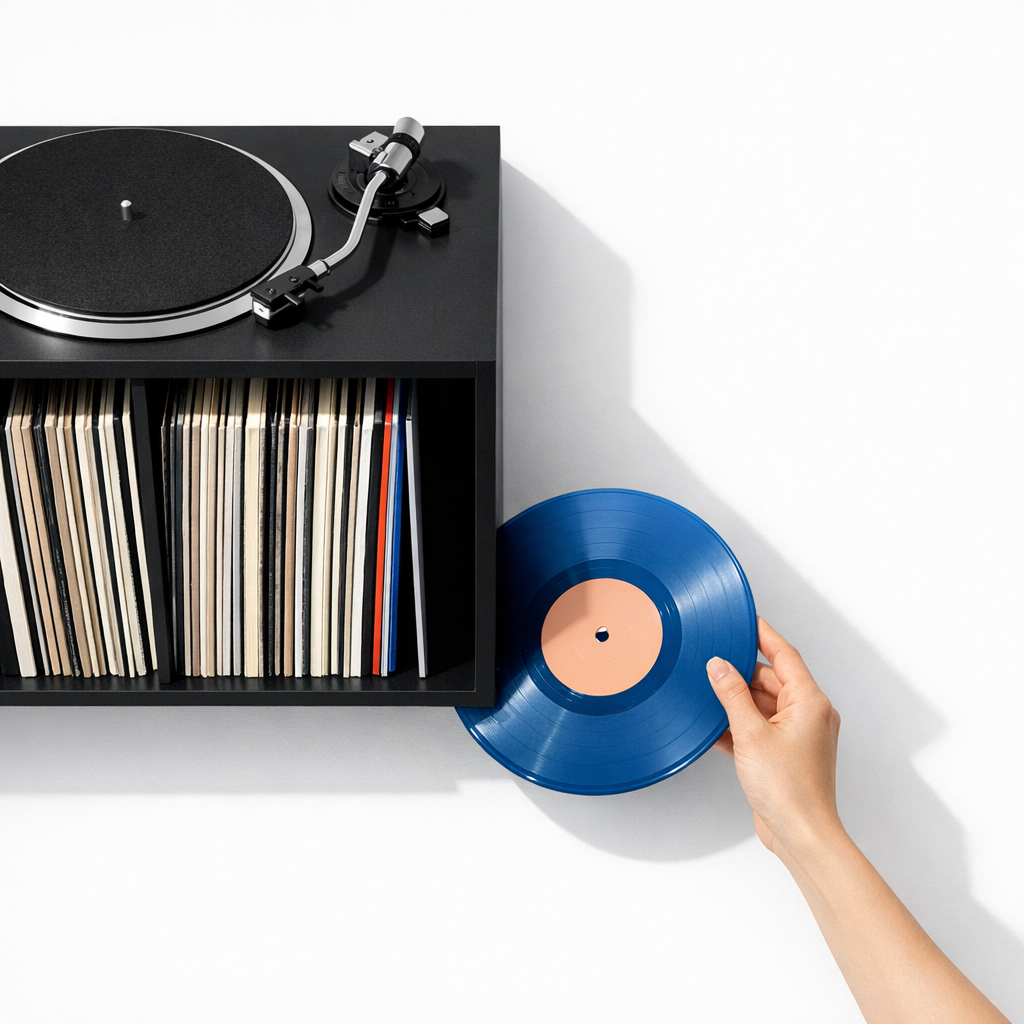
Significantly, modern custom-pressing services such as Vinylacy make excellent options for those who want a playable, beautiful copy without risking an original. You can commission a PRISM or NOIR® pressing with custom artwork and keep an original safely archived. For gifts, a Vinylacy custom vinyl starts at 35€ and provides a durable alternative to repeatedly playing fragile originals.
Short glossary
- Matrix / Runout: etched numbers and letters in the deadwax that identify the pressing and stamper.
- Deadwax: the smooth area between grooves and label where runout info is inscribed.
- Test pressing / Acetate: one-off or limited copies used to approve a pressing. Acetates wear quickly and are collectible.
- First pressing: the earliest commercial batch pressed from the initial stampers; often most valuable.
- Shellac vs vinyl: shellac predominated pre‑1950s (brittle, heavier); PVC vinyl became standard post‑1948 and is flexible.
Finding rare vinyl is both detective work and a relationship business. Historical knowledge helps you read the clues stamped into the deadwax, while patience and networks put you in position to act when a true rarity appears. Keep rigorous inspection habits, verify pressings with reliable databases, and protect what you buy with proper storage.
Finally, for anyone who loves the look and feel of rare records but worries about risking original pressings for regular listening or gifting, consider a custom pressing. Services like Vinylacy let you create durable, beautiful reproductions with bespoke artwork and color options, so the original can remain archived and the music can be enjoyed aloud.
Historical context reveals that records are not just music carriers but artifacts of manufacturing decisions, distribution quirks, and cultural moments. Treat them as such, and rarities will stop feeling like lottery tickets and start feeling like discoveries you can explain and defend.